
Results for 'cell therapy'
Browse oncology articles matching cell therapy — expert analysis, clinical perspectives, and industry updates from across drug development and care delivery. Use the tabs above for podcasts, press releases, partners, and people for the same search.
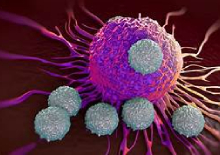
 M. Ochoa de Olza, M. Oliva, C. Hierro I. Matos, J. Martin-Liberal, E. Garralda
Early-drug development in the era of immuno-oncology: are we ready to face the challenges?
immunotherapy, early-drug development, toxicology studies, dose determination
The classical development of drugs is being replaced by a seamless drug-development process. First-in-human trials now often include large expansion cohorts to quickly identify early signs of activity and achieve rapid regulatory approval. Intense competition among pharmaceutical companies and t…
Jun 26th • 26 mins read
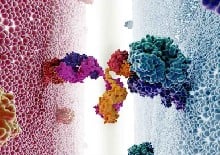 Alison Betts, Piet H. van der Graaf
Mechanistic Quantitative Pharmacology Strategies for the Early Clinical Development of Bispecific Antibodies in Oncology
bispecific antibodies, mechanistic quantitative, pharmacology, strategies, bsAbs, immune cells, MABEL aproach
Bi-specific antibodies (bsAbs) are crucial in cancer therapy research. BsAbs offer advantages such as enhanced efficacy and reduced systemic toxicity. Early clinical trials face challenges with dose selection and predicting effective doses. Clinical variability is influenced by factors like fun…
Jun 24th • 18 mins read
 Kirill Peskov, Ivan Azarov, Lulu Chu, Veronika Voronova, Yuri Kosinsky, Gabriel Helmlinger
Quantitative Mechanistic Modeling in Support of Pharmacological Therapeutics Development in Immuno-Oncology
immuno-oncology, mechanistic models, tumor vs. immune system, systems pharmacology, pharmacokinetics, pharmacodynamics, molecular and cellular biomarkers
There has been significant growth in the development of immuno-modulating pharmacological treatments for various cancers following the approval of the first immune checkpoint inhibitor. Challenges in immuno-oncology (IO) drug development are complex and span from the discovery phase to late-…
Apr 30th • 12 mins read
 Alyson Haslam, PhD; Vinay Prasad, MD, MPH
Estimation of the Percentage of US Patients With Cancer Who Are Eligible for and Respond to Checkpoint Inhibitor Immunotherapy Drugs
checkpoint inhibitor drugs, immunotherapy drugs, FDA, checkpoint, inhibitor, drugs
If FDA-approved checkpoint inhibitor drugs are universally available, we estimated that the proportion of US patients with cancer who could be eligible for such drugs is approximately 44%, while approximately 13% have a response to these drugs. These estimates, although modest, are better than estim…
May 3rd • 10 mins read
 Carrie Printz
Cancer experts point to new advances in research and treatment: A recent report by the American Association for Cancer Research highlights unprecedented successes as well as ongoing challenges in the cancer field
FDA, AACR, immunotherapeutics, immunotherapy, precision therapies, ALK, EGFR, BRAF
Within the last few years, cancer research has made significant strides, leading to the approval of 22 new cancer treatments by the FDA between August 1, 2017, and July 31, 2018. Among these, notable advancements include 14 anticancer therapeutics, such as CAR T-cell therapies for non-Hodgkin lympho…
Apr 1st • 2 mins read

 Envision Pharma Group
AI-powered real-world evidence: Strategically enhancing value and access
Oncology, Clinical Development, Targeted Therapy, Immunotherapy, Genomic Profiling, CAR-T Cell Therapy, Precision Medicine
Real-world evidence (RWE) complements traditional randomized controlled trials by providing insights from diverse data sources, helping healthcare decision-makers with coverage, reimbursement, and treatment guidelines. Artificial intelligence (AI) and natural language processing (NLP) are pivotal…
Aug 22nd • 5 mins read
 Tanja Cufer, Tudor E. Ciuleanu, Peter Berzinec, Gabriela Galffy, Marko Jakopovic, Jacek Jassem, Dragana Jovanovic, Zhasmina Mihaylova, Gyula Ostoros, Christiane Thallinger, Milada Zemanova, Christoph Zielinski
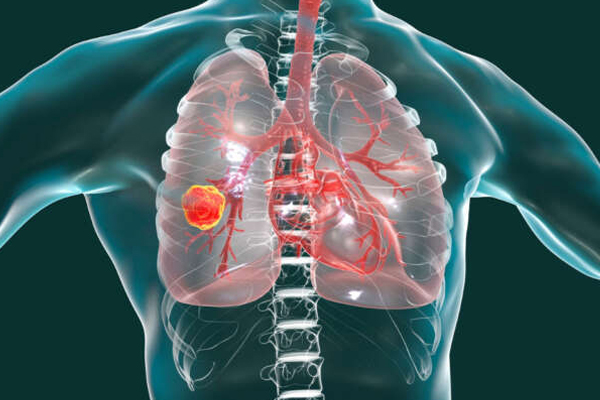
Access to Novel Drugs for Non-Small Cell Lung Cancer in Central and Southeastern Europe: A Central European Cooperative Oncology Group Analysis
Health Outcomes and Economics of Cancer Care, Lung Cancer, NSCLC, EMA
Treatment for non-small cell lung cancer (NSCLC) has significantly improved with the introduction of targeted and immune-oncologic drugs. Despite rapid development and European Medicinal Agency (EMA) registration, these novel drugs are not easily accessible in Central and Eastern European (CEE) c…
Nov 24th • 10 mins read
 David J. Segarnick, PhD, Chief Medical Officer, Educational Resource Systems and David E. Wazer, MD, FACRO, FABS, FACR, FASTRO
From Genomic Testing to Digital Biomarkers: The Expanding Role of Biomarkers in Oncology
oncology biomarkers, precision oncology, predictive biomarkers
Biomarkers have moved from the margins of oncology to the center of clinical decision-making. They now help establish diagnosis and prognosis, identify patients most likely to benefit from targeted therapy or immunotherapy, monitor response, detect molecular residual disease and emerging resistance,…
Aug 20th • 35 mins read

 Bridget Rasmusson
Presentation Nails and Fails: 7 Tips to Ace Your Next MSL Presentation
MSL interview tips, scientific presentation skills, hiring managers expectations, medical science liaison communication, virtual interview preparation
The presentation portion of the MSL interview is truly “make or break,” and more often than not, the most highly weighted category of the entire interview process. Countless Hiring Managers have passed on MSL candidates that do not perform well on their scientific presentation – re…
Oct 12th • 1 min read

 iNIZIO
Clinical Educator Oncology Program Improves Adherence by 29%
CASE STUDY (US) The Challenge Client’s specialty product had a complicated oral therapy regimen requiring supplemental support to patients. Therapy administered for chronic life-threatening condition in which patients are generally older and polypharmic. Our Soluti…
Sep 3rd • 1 min read
 iNIZIO
Transforming oncology: Five frontiers driving progress in cancer care
From biomarker-driven breakthroughs to AI-powered early detection and a renewed commitment to equity and patient centricity, the past 12 months have seen major strides across cancer research, treatment, and communication. At Inizio, we’ve had a front-row seat to this transformation, supporting…
May 16th • 5 mins read
 Jayson L. Parker, Sebnem S. Kuzulugil, Kirill Pereverzev, Stephen Mac, Gilberto Lopes, Zain Shah, Ashini Weerasinghe, Daniel Rubinger, Adam Falconi, Ayse Bener, Bora Caglayan, Rohan Tangri, Nicholas Mitsakakis
Does biomarker use in oncology improve clinical trial failure risk? A large-scale analysis
biomarker, clinical trial, failure, analysis, NSCLC, oncology
Data from clinical trials across four oncology indications (breast cancer, NSCLC, melanoma, and colorectal cancer) from 1998 to 2017 were analyzed to assess drug approval likelihood based on biomarker status. Using multi-state Markov models, which describe stochastic processes, the study…
Feb 23rd • 8 mins read
 Cornelius F Waller & Adriano Friganovi´c
Biosimilars in oncology: key role of nurses in patient education
biologics, biosimilars, cancer care, nurse
Biosimilars can reduce costs and improve access to cancer therapies, but unfamiliarity may hinder their adoption. Nurses, as trusted healthcare providers, are crucial in educating patients about biosimilars. Biosimilars are highly regulated and offer benefits comparable to existing biologic…
Jun 15th • 10 mins read
 Kenji Omae, Yuki Kataoka, Yasushi Tsujimoto, Yusuke Tsutsumi, Yosuke Yamamoto, Shunichi Fukuhara, Toshi A Furukawa
Publication statuses of clinical trials supporting FDA-approved immune checkpoint inhibitors: a meta-epidemiological investigation
Anticancer drugs, Clinical trials, Drug approval, Immune checkpoint inhibitors, Publications, United states food and drug administration
The study investigates the publication status of clinical trials for anticancer drugs approved by the FDA, focusing on immune checkpoint inhibitors (ICPis). Data from ICPis approved between 2011 and 2014 was analyzed, revealing that 58% of ICPis trials were published within two years …
Oct 24th • 18 mins read
 Shen Lin, Yaping Huang, Liangliang Dong, Meiyue Li, Yahong Wang, Dian Gu, Wei Wu, Dongni Nian, Shaohong Luo, Xiaoting Huang, Xiongwei Xu and Xiuhua Weng
The correlation between the costs and clinical benefits of PD-1/PD-L1 inhibitors in malignant tumors: An evaluation based on ASCO and ESMO frameworks
PD-1/PD-L1 inhibitors, malignant tumors, ASCO, ESMO, Immune Checkpoint Inhibitors, Gastrointestinal Cancers
Cancer drug innovation has significantly accelerated in the 21st century, with novel drug approvals and expenditures increasing notably. Assessment frameworks ASCO-VF and ESMO-MCBS were used to evaluate the clinical benefit of PD-1/PD-L1 inhibitors, finding that nearly half of the trials met "mea…
Feb 23rd • 9 mins read
 Hagop M. Kantarjian MD, Ferran Prat PhD, JD, David P. Steensma MD, Razelle Kurzrock MD, David J. Stewart MD, Mikkael A. Sekeres MD, Joseph Leveque MD
Cancer research in the United States: A critical review of current status and proposal for alternative models
cancer research, research, NCI, Drug industry-driven research model, development in research, 2018 cancer model
Early research focused on tissue histology and animal models, with surgery and radiotherapy as primary treatments. 1950s: Introduction of cell lines (e.g., HeLa cells) and first anticancer drugs (antifolates, thiopurines), leading to the establishment of the Cancer Chemotherapy National Service C…
May 14th • 10 mins read