
Results for 'Product Safety'
Browse oncology articles matching Product Safety — expert analysis, clinical perspectives, and industry updates from across drug development and care delivery. Use the tabs above for podcasts, press releases, partners, and people for the same search.

 Meena N Murugappan, PharmD, MPH, PhD(c), Bellinda L King-Kallimanis, PhD, Gregory H Reaman, MD, Vishal Bhatnagar, MD, Erica G Horodniceanu, MPH, Najat Bouchkouj, MD, Paul G Kluetz, MD
Patient-Reported Outcomes in Pediatric Cancer Registration Trials: A US Food and Drug Administration Perspective
cancer, pediatrics, product labeling, united states food and drug administration, childhood cancer, denosumab, surrogate endpoints, adverse event, patient self-report, pediatric oncology, selumetinib, benefit-risk assessment, tisagenlecleucel, statistica
PROs have been feasible to collect from patients as young as 7 years old and were included in trials from 2013 onward. PROs were used as exploratory endpoints in four product applications but not included in product labeling. To include PRO data in FDA labeling, early interaction with the FDA, c…
Apr 30th • 12 mins read
 Jonathan H Seltzer MD, MBA, MA, Gary Gintant PhD, Laleh Amiri-Kordestani MD, Jack Singer MD, Luana Pesco Koplowitz MD, PhD, Javid J Moslehi MD, Ana Barac MD, PhD, Anthony F. Yu MD
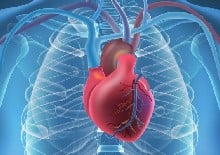
Assessing cardiac safety in oncology drug development
Cardiac safety, cardiovascular, FDA, CSRC
The Cardiac Safety Research Consortium (CSRC) highlighted the importance of addressing cardiovascular (CV) adverse effects in oncology drug development during a Think Tank meeting in October 2017. With over 1,600 cancer therapies in development, the cardiovascular toxicity of cancer treatments has b…
Jun 12th • 12 mins read
 Nicole M. Kuderer and Gary H. Lyman
Evolving Landscape of US Food and Drug Administration Drug Approval in the Era of Precision Oncology: Finding the Right Balance Between Access and Safety
FDA, trials, drug approval, access, safety
Balance is needed between enhancing drug access and ensuring patient safety. Accurate surrogate endpoints and sophisticated trial designs are crucial for predicting clinical benefits. Safety data before final approvals and postapproval assessments for vulnerable populations are necessary. Value…
Jun 20th • 3 mins read
 Gregory S. Calip, PharmD, MPH, PhD, Ivy P. Altomare, MD, Jenny S. Guadamuz, MSPH, PhD
Evaluating External Validity of Oncology Biosimilar Safety Studies
biologics, external validity, FDA, biosimilars, trastuzumab
Biologics are the fastest growing medication class in the US, significantly contributing to healthcare costs. The Biologics Price Competition and Innovation Act of 2009 created an abbreviated approval pathway to make biological products more accessible. A phase 3 randomized trial of SB3, a trast…
Apr 6th • 2 mins read
 Jamie Riley
The Talent Inflection Point in Pharma and Biotech: A Challenge to Companies — and a Call to Candidates
hiring, talent demand, job market
As pipelines advance and execution accelerates, pharma and biotech hiring may shift again in 2026, reshaping talent demand.
Feb 4th • 7 mins read

 Michael Pietrack
Leading From the Front: 3 Leadership Lessons From Mark Cuban
Businessman and entrepreneur Mark Cuban recently discussed leadership with Leadership Lab columnist Michael Pietrack. The three lessons that came out of that conversation start with one word: caring.
Dec 17th • 6 mins read
 Emmanuelle Jacqueta, Ghania Kerouani-Lafayeb, Francoise Grudeb, Sergio Goncalvesb, Annie Lorenced, Florence Turcryb, Liora Brunelb, Laetitia Belgodereb, Adrien Monardc, Gaëlle Guyaderb, Lotfi Boudalib, Nicolas Albin
Comparative study on anticancer drug access times between FDA, EMA and the French temporary authorisation for use program over 13 years
Innovation, Expanded access, Early drug access, Cancer, FDA, EMA
Cancer incidence is increasing globally, and while medical innovation significantly impacts patient survival, the drug development process is lengthy, often exceeding 10 years for marketing authorization (MA). France has implemented the ATU (Temporary Authorization for Use) program to facil…
Apr 7th • 12 mins read
 Thakur, Sayanta & Lahiry, Sandeep
Accelerated drug approvals in oncology: Pros and cons
Clinical study, drug approval, medical oncology
The summary of the content highlights the success of the accelerated approval process, especially for oncology drugs. Key points include: The rise of accelerated approval processes is significant, particularly in oncology. The use of surrogate endpoints and their validation has been debated. Th…
Sep 14th • 4 mins read
 Cornelius F Waller & Adriano Friganovi´c
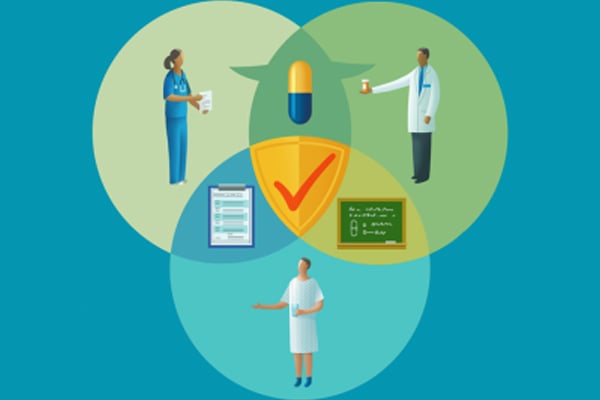
Biosimilars in oncology: key role of nurses in patient education
biologics, biosimilars, cancer care, nurse
Biosimilars can reduce costs and improve access to cancer therapies, but unfamiliarity may hinder their adoption. Nurses, as trusted healthcare providers, are crucial in educating patients about biosimilars. Biosimilars are highly regulated and offer benefits comparable to existing biologic…
Jun 15th • 10 mins read
 Benjamin Gregory Carlisle, Adélaïde Doussau, Jonathan Kimmelman
Patient burden and clinical advances associated with post approval monotherapy cancer drug trials: a retrospective cohort study
clinical advances, monotherapy cancer drug trials, FDA
Objective: The study investigates the efforts to extend the uses of new drugs by testing them for new, non-approved indications and examines the patient burden and clinical impact. Design and Setting: A retrospective cohort study focused on post-approval trials of anticancer drugs approved betwee…
Feb 17th • 7 mins read
 Roman Adam, Ariadna Tibau, Consolación Molto Valiente, Boštjan Šeruga, Alberto Ocaña, Eitan Amir, Arnoud J. Templeton
Clinical benefit of cancer drugs approved in Switzerland 2010–2019
cancer drug approval, clinical benefit criteria, ESMO-MCBS, ASCO-VF, OLUtool, Switzerland oncology drugs
The study evaluates the clinical benefit of cancer drugs approved in Switzerland between 2010 and 2019 using three different frameworks: ESMO-MCBS, ASCO-VF, and OLUtool. A total of 48 drugs for 92 indications were assessed based on 100 studies, with each study evaluated according to the criteria …
Jun 10th • 35 mins read
 Robbe Saesen, Georgios Kantidakis, Ann Marinus, Denis Lacombe, Isabelle Huys
How do cancer clinicians perceive real-world data and the evidence derived therefrom? Findings from an international survey of the European Organisation for Research and Treatment of Cancer
real-world evidence, real-world data, oncology, cancer, survey, clinicians, randomized controlled trials, Europe
Real-world evidence (RWE) is increasingly being used in the development and decision-making processes for anticancer therapies, but clinician views on its use are unclear. A survey conducted between May and July 2021 involved 557 clinicians from 30 countries and 13 cancer domains. Most clinician…
Aug 1st • 45 mins read
 John Hair, Thomas Maryon, and Cristian Lieneck
Identification of Barriers Preventing Biosimiliar Oncology Medication Adoption
oncology, cancer, biosimilar, barriers, access, obstacles
Biosimilars are biologic medical products that are almost identical to original biologics but are produced by different companies. They are safe, effective, and can reduce costs for insurers and patients. Despite the benefits, barriers exist for oncologists and cancer centers in prescribing biosi…
Oct 27th • 30 mins read
 Deeksha Joshi, Rubiya Khursheed, Saurabh Gupta, Diksha Wadhwa, Thakur Gurjeet Singh, Sumit Sharma, Sejal Porwal, Swati Gauniyal, Sukriti Vishwas, Sanjay Goyal, Gaurav Gupta, Rajaraman D. Eri, Kylie A. Williams, Kamal Dua, Sachin Kumar Singh
Biosimilars in Oncology: Latest Trends and Regulatory Status
oncology, biologics, biosimilars, regulatory framework, traceability
Biologic-based medicines are crucial in treating various diseases, particularly cancer, and hold a significant portion of the global pharmaceutical market. Biosimilars, which are highly similar to biologic drugs but not identical, offer potential benefits such as enhanced access and cost savings,…
Dec 5th • 20 mins read
 E Dawn Flick, Howard R Terebelo, Susan Fish, Amani Kitali, Vrinda Mahajan, Melissa Nifenecker, Kristen Sullivan, Paul Thaler, Sarah Ussery, David L Grinblatt
The Value of Pharmaceutical Industry-Sponsored Patient Registries in Oncology Clinical Research
registry, oncology, observational study, prospective cohort study, real-world evidence
Oncology patient registries are valuable for generating Real-World Evidence (RWE) due to: Prospective, primary data collection Characterizing smaller patient populations not typically included in clinical trials Providing insights into the rapidly changing disease course Allowing for longitudi…
Jun 7th • 8 mins read
 Qiyou Wu, Zhiwei Lian, Xin Wang, Hanchao Cheng, Jing Sun, Hui Yu, Gong Zhang, Fan Wu, Jian Liu and Chuanben Chen
Factors associated with the uptake of biosimilars for breast cancer treatment from the perspectives of physicians and patients-Evidence from China
biosimilar, breast cancer, uptake, physician, patient
In 2021, the trastuzumab biosimilar entered clinical use in the research setting with less than 20% uptake in China, significantly lower than in the EU. Older patients are more likely to adopt biosimilars due to price sensitivity and financial concerns. Only 11.3% of patients switched from …
Jan 12th • 13 mins read
 John Devin Peipert, PhD, Karen Kaiser, PhD, Sheetal Kircher, MD, George J. Greene, PhD, Sara Shaunfield, PhD, Katherina Hauner, PhD, David Cella, PhD, and Daniel K. Mroczek, PhD
Medical Oncologists’ Knowledge and Perspectives on the Use of Biosimilars in the United States
oncologist, biosimilars, ASCO, FDA, RSP
Most oncologists (88%) treated patients with biosimilars, and 63% reported that biosimilars were required at their institutions. Approximately half (52%) correctly identified that biosimilars are not the same as generic medicines. Common barriers to biosimilar use included concerns abou…
Jan 9th • 9 mins read
 Laurent Azoulay
Rationale, Strengths, and Limitations of Real-World Evidence in Oncology: A Canadian Review and Perspective
real-world evidence; RWE, real-world studies, RWS, oncology, real-world evidence, RWE, randomized controlled trial, RCT
Data obtained from real-world studies have an integral role in evidence-based medicine, serving as an essential source of safety information and a complement to efficacy data from RCTs. RWE is particularly useful for expanding the evidence base to encompass populations of patients who are not well r…
Apr 26th • 9 mins read

 Envision Pharma Group
AI-powered real-world evidence: Strategically enhancing value and access
Oncology, Clinical Development, Targeted Therapy, Immunotherapy, Genomic Profiling, CAR-T Cell Therapy, Precision Medicine
Real-world evidence (RWE) complements traditional randomized controlled trials by providing insights from diverse data sources, helping healthcare decision-makers with coverage, reimbursement, and treatment guidelines. Artificial intelligence (AI) and natural language processing (NLP) are pivotal…
Aug 22nd • 5 mins read