Podcast
 The Oncology Nursing Podcast

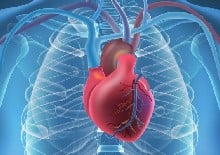
The Cardiac Safety Research Consortium (CSRC) highlighted the importance of addressing cardiovascular (CV) adverse effects in oncology drug development during a Think Tank meeting in October 2017. With over 1,600 cancer therapies in development, the cardiovascular toxicity of cancer treatments has become a significant concern, affecting many patients. Preclinical studies using both in vitro and in vivo models are critical for early detection and mitigation of cardiotoxicity. Collaborative efforts between cardiologists, oncologists, and regulatory bodies are essential to balance the benefits of new cancer therapies with potential cardiac risks. Biomarkers and advanced imaging techniques can identify early CV risks, but standardized protocols are needed. Integrating CV safety evaluations in oncology trials and including patients with preexisting CV conditions can help ensure safer, more effective treatments in real-world populations.
The Cardiac Safety Research Consortium (CSRC; www.cardiac-safety.org) held a Think Tank on “Detection, Assessment, and Risk Mitigation of Cardiac Safety Signals in Oncology Drug Development” on October 24-25, 2017, at the Food and Drug Administration (FDA) headquarters in Silver Spring, MD. The CSRC, a public private partnership, was formed in 2005 as a Critical Path Program and formalized in 2006 under a Memorandum of Understanding between the US FDA and Duke University.
This is a promising period in oncology research, with more than 1,100 medicines and vaccines for cancer in development by American companies alone as of May 2018. Oncology accounts for 40% of the global clinical pipeline, with some 1,600 products. Over the past 5 years, some 63 cancer drugs have been launched globally. Mortality rates in cancer patients have fallen substantially over the last 20-30 years, and the cancer survivor population is aging. However, the toxicity of cancer therapies is significant, with rates of cardiovascular (CV) adverse effects reported to be more than 30%, and CV causes are estimated to be the second most common cause of morbidity and mortality in cancer survivors...
The Oncology Nursing Podcast
 MSL Talk: Tom Caravela, Ariel Katz
 MSL Talk: Tom Caravela, Brad Atkinson, Brian Wilson, Christina Wright
 MSL Talk: Tom Caravela, Jessica McLin, Melody Davis
 Gregory S. Calip, PharmD, MPH, PhD, Ivy P. Altomare, MD, Jenny S. Guadamuz, MSPH, PhD
 Yafang Huanga, Weiyi Xiongb, Jingwei Zhaoa, Wentao Lia, Li Mac, Hao Wua