
Results for 'negative trials'

 Massimo Di Maio, MD, Marco Audisio, MD, Claudia Cardone, MD
The Use of Not-Negative Conclusions to Describe Results of Formally Negative Trials Presented at Oncology Meetings
negative trials, not-negative conclusions, oncology
Out of 208 trials reviewed, 91 were formally negative. 29% (26 trials) had "not-negative" conclusions. Reasons for "not-negative" conclusions included better numerical outcomes, positive subgroups or secondary endpoints, and non-inferiority reinterpretations. The study emphasizes the need for c…
Feb 13th • 2 mins read
 Alfredo Addeo, MD; Glen J. Weiss, MD, MBA; Bishal Gyawali, MD, PhD
Association of Industry and Academic Sponsorship With Negative Phase 3 Oncology Trials and Reported Outcomes on Participant Survival: A Pooled Analysis
pooled analysis, FDA, negative phase 3 trials, phase 3 trial, RCT, PRISMA, RCT's
In this study of trials published in 2016 through 2018, approximately 40% of negative phase 3 RCTs in oncology were conducted without supporting phase 2 trials, and such phase 3 trials were sponsored by both academia and industry. On the basis of our results, proactive steps from regulators and ethi…
May 10th • 8 mins read
 Ariadna Tibau, Consolación Molto, Alberto Ocana, Arnoud J Templeton, Luis P Del Carpio, Joseph C Del Paggio, Agustí Barnadas, Christopher M Booth, Eitan Amir
Magnitude of Clinical Benefit of Cancer Drugs Approved by the US Food and Drug Administration
antineoplastic agents, immunologic adjuvants, pharmaceutical adjuvants, phase 3 clinical trials, drug approval, drug labeling, medical oncology, united states food and drug administration, diagnosis, palliative care, surrogate endpoints, weight measureme
Regulatory agencies assess drug safety and efficacy, but thresholds may differ from those accepted by clinicians . Only 43.8% of RCTs for FDA-approved drugs meet the ESMO-MCBS threshold for meaningful benefit, reflecting potential softening of FDA standards. Encouraging trends include an increas…
Dec 13th • 7 mins read
 Bishal Gyawali, Benjamin N Rome, Aaron S Kesselheim
Regulatory and clinical consequences of negative confirmatory trials of accelerated approval cancer drugs: retrospective observational study
clinical guidelines, FDA, accelerated approval cancer drugs, surrogate measures, NCCN, EMA
Six of 18 cancer drugs that initially received accelerated approval have indications that remain on the labeling and are recommended in clinical guidelines despite no improvement in the primary endpoint in post-approval trials. These findings reflect the lack of fulfillment of the compromise between…
Aug 4th • 12 mins read
 Alison Betts, Piet H. van der Graaf
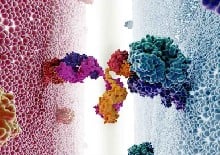
Mechanistic Quantitative Pharmacology Strategies for the Early Clinical Development of Bispecific Antibodies in Oncology
bispecific antibodies, mechanistic quantitative, pharmacology, strategies, bsAbs, immune cells, MABEL aproach
Bi-specific antibodies (bsAbs) are crucial in cancer therapy research. BsAbs offer advantages such as enhanced efficacy and reduced systemic toxicity. Early clinical trials face challenges with dose selection and predicting effective doses. Clinical variability is influenced by factors like fun…
Jun 24th • 18 mins read