
Join to access to all OVN content. Join for Free
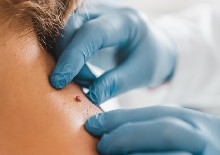
Inadequate and delayed characterization of cutaneous reactions for US Food and Drug Administration-approved oncologic drugs from 2011-2020 leading to medication discontinuation
cutaneous cutaneous reactions FDA oncologic drugs AE CenterWatch

Inadequate and delayed characterization of cutaneous reactions for US Food and Drug Administration-approved oncologic drugs from 2011-2020 leading to medication discontinuation


Share This Article


Summary

  • Half of clinical trials lack detailed descriptions of rashes; over half discontinue therapy due to rash.
  • There's a 1- to 2-year delay from identifying a rash to fully characterizing it, although this has improved over the last decade.
  • Oncologic therapies are often discontinued without consulting dermatologists, despite weak agreement on discontinuation decisions.
  • In 86.4% of cases where dermatologists disagreed with discontinuation, they recommended against it.
  • Early dermatology consultation reduces treatment interruptions and improves outcomes, quality of life, and adherence.
  • The study highlights the need for early, comprehensive dermatologic involvement in drug development and trials.
  • Limitations include the inability to examine conference presentations or FDA reports, which might offer earlier insights.
  • Future research should assess the impact of early dermatology involvement in clinical trials for oncologic drugs.

Cutaneous reactions are common adverse events (AE) in oncologic drug clinical trials and a frequent reason for discontinuation. Although properly diagnosing cutaneous AEs and keeping patients on oncologic therapy is increasingly appreciated, many cutaneous AEs are not detailed in subsequent studies until long after their discovery, leading to unnecessary drug cessation and suboptimal management. We aimed to evaluate the extent to which cutaneous adverse events are described in oncologic trials and measure the delay from identification of a rash to its full characterization in the literature—parameters anecdotally appreciated as lacking but not examined in prior studies...

Click for Source Download PDF version
cutaneous, cutaneous reactions, FDA, oncologic drugs, AE, CenterWatch

Related Topics

Meet Our Innovation Partners

Loading partners...

You May Also Like

Podcast
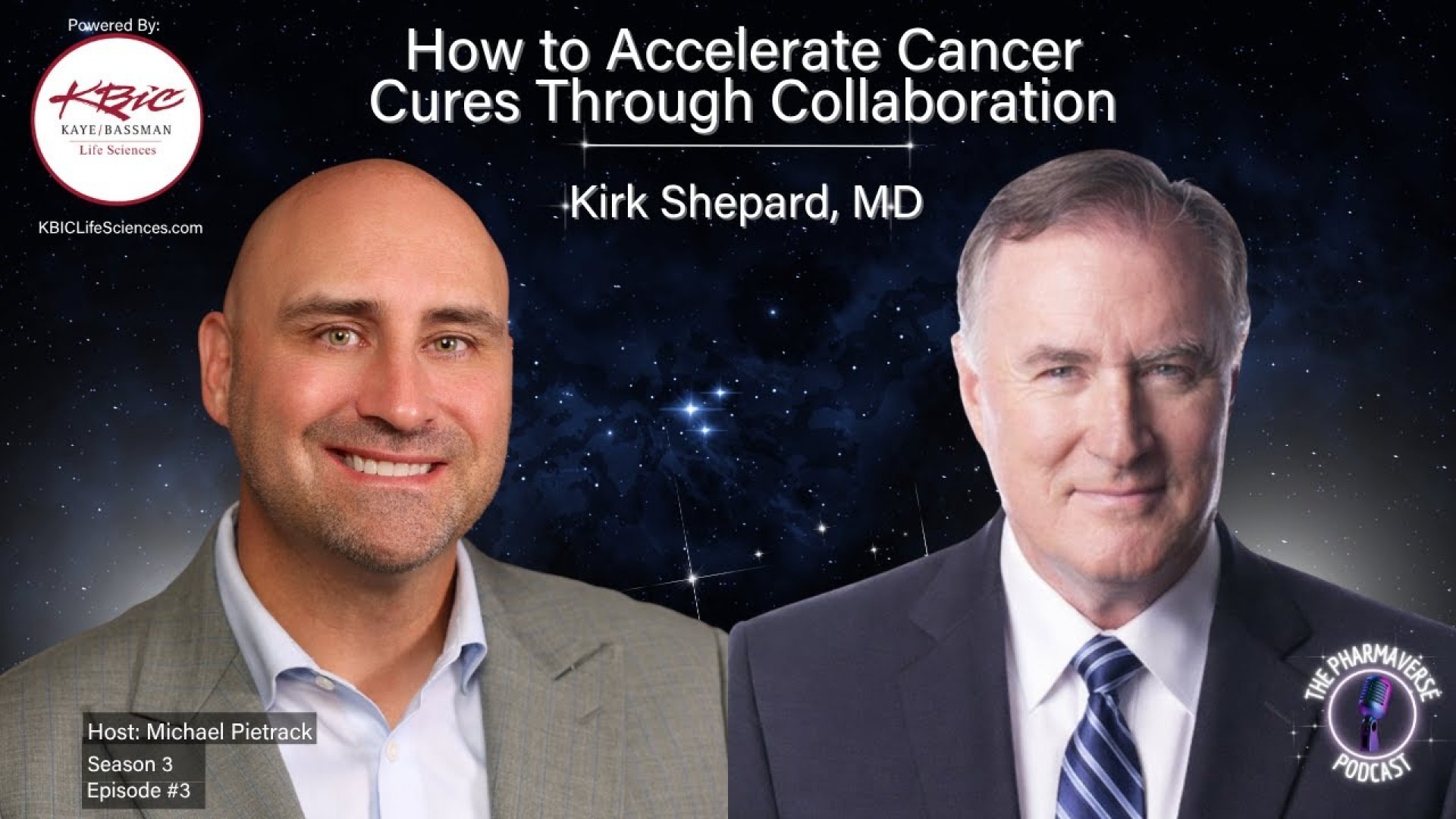
How to Accelerate Cancer Cures Through Collaboration with Kirk V. Shepard, MD
Partner Avatar Michael Pietrack

How to Accelerate Cancer Cures Through Collaboration with Kirk V. Shepard, MD

Podcast
Oncology Pharmacology 2023: Today’s Treatments and Tomorrow’s Breakthroughs
OVN Avatar The Oncology Nursing Podcast

Oncology Pharmacology 2023: Today’s Treatments and Tomorrow’s Breakthroughs

Podcast
The Role of MSLs in Achieving Health Equity
Partner Avatar MSL Talk: Tom Caravela, Ariel Katz

The Role of MSLs in Achieving Health Equity

Podcast
How and Why Medical Affairs Can Support Diversity in Clinical Trials
Partner Avatar MSL Talk: Tom Caravela, Brad Atkinson, Brian Wilson, Christina Wright
How and Why Medical Affairs Can Support Diversity in Clinical Trials

Podcast
Compliance 101-Most common issues and MSL-related gray areas
Partner Avatar MSL Talk: Tom Caravela, Jessica McLin, Melody Davis

Compliance 101-Most common issues and MSL-related gray areas

Press Release
Visionaries Behind Oncology Voice Network: Dr. Ramin Farhood & Dr. Kirk Shepard
OVN Avatar OVN Staff

Visionaries Behind Oncology Voice Network: Dr. Ramin Farhood & Dr. Kirk Shepard

Explore OVN