Podcast
 Monty Pal

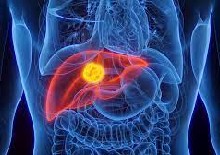
The field of oncology and cancer research is changing. As our understanding of the underlying biology of the disease improves, the one-size-fits-all treatment model has been exposed as inadequate. PLC is among the hardest to treat malignancies and as such carries one of the worst prognoses. While there are many challenges to overcome, our understanding of tumor heterogeneity and the technologic advances of NGS are slowly making precision medicine a reality. Precision medicine promises personalized care directed at the underlying machinery of each patient’s tumor with the goal of improved outcomes for all.
The incidence of primary liver cancer (PLC) is rising faster than any other malignancy in the USA and is estimated to result in over 31,000 deaths in 2019. PLC poses a unique challenge in that the majority of patients suffer from both their malignancy and underlying liver damage which is the inciting factor for their hepatocarcinogenesis. Viral infections such as Hepatitis B and C, lifestyle choices such as heavy alcohol use and inherited genetic disorders such as primary biliary cirrhosis can all lead to underlying liver cirrhosis leaving the patient vulnerable to malignancy and without aggressive treatment options.
There are multiple histologic subtypes which comprise PLC but by far the two most common are hepatocellular carcinoma (HCC) and intrahepatic cholangiocarcinoma (iCCA). Interestingly, while historically treated as two distinct malignancies, there is a growing body of evidence that they may be more alike than previously thought. Classically it was believed that iCCA arose from cholangiocytes, and while the origins of HCC remained more elusive it was hypothesized that hepatic stem cells in addition to hepatocytes were implicated. More recent work reveals that both malignancies could originate from hepatocytes and more strikingly, in certain subsets of patients, share a common molecular subtype. These commonalities shed light on the potential drivers of hepatocarcinogenesis and are the first steps of novel targeted therapies. With a more thorough understanding of these tumors, directed personalized care is possible...
Monty Pal
 Rebecca Previs
 Forbes Books Press Release Official

 Envision Pharma Group
 Avi Cherla, MSc; Huseyin Naci, MHS, PhD; Aaron S. Kesselheim, MD, JD, MPH; Bishal Gyawali, MD, PhD; Elias Mossialos, MD, PhD
 Michael Pietrack