Join to access to all OVN content. Join for Free
Streamlining Adverse Events Reporting in Oncology: An American Society of Clinical Oncology Research Statement
oncology research reporting adverse events clinical trials

Streamlining Adverse Events Reporting in Oncology: An American Society of Clinical Oncology Research Statement


Share This Article


Summary

Monitoring patient safety during clinical trials is crucial to protect research participants and future patients. Under current regulations for investigational new drugs (INDs), sponsors must report certain serious adverse events (AEs) to the FDA and all participating investigators quickly. This aims to promptly identify and communicate safety concerns.
 
Despite the importance of AE reporting, stakeholders face several issues:
  • Some sponsors send AE reports that do not meet regulatory requirements.
  • These reports often lack critical information regarding relevance, causality, and anticipation of the AEs.
  • They typically do not include advice or guidance on clinical interpretation and appropriate action.
  • This results in researchers, sites, and the FDA being overwhelmed with uninformative AE reports.
  • It compromises valid safety signal detection and strains resources for clinical research and FDA reviews.

Monitoring patient safety during clinical trials is critical to protecting research participants from preventable harms as well as protecting patients who will ultimately be treated with an intervention. Under the current regulatory system for investigational new drugs (INDs), sponsors are required to report certain serious adverse events (AEs) that occur during clinical trials to the US Food and Drug Administration (FDA) and all participating investigators through an expedited process. This helps to identify and communicate safety concerns to the appropriate parties as soon as possible.
 
Despite the critical importance of AE reporting in the drug development process, stakeholders in the system report numerous problems. In the early 2000s, some commercial sponsors of clinical trials began sending AE reports to investigators and to the FDA that do not fulfill the expedited regulatory reporting requirements. These AE reports often lack information on whether the reported AEs are relevant to specific trials, are causally associated with the therapeutic agents being studied, or are anticipated events described in the study protocol or investigator brochure...
Click for Source Download PDF version
oncology, research, reporting, adverse events, clinical trials

Related Topics

Meet Our Innovation Partners

Loading partners...

You May Also Like

Podcast
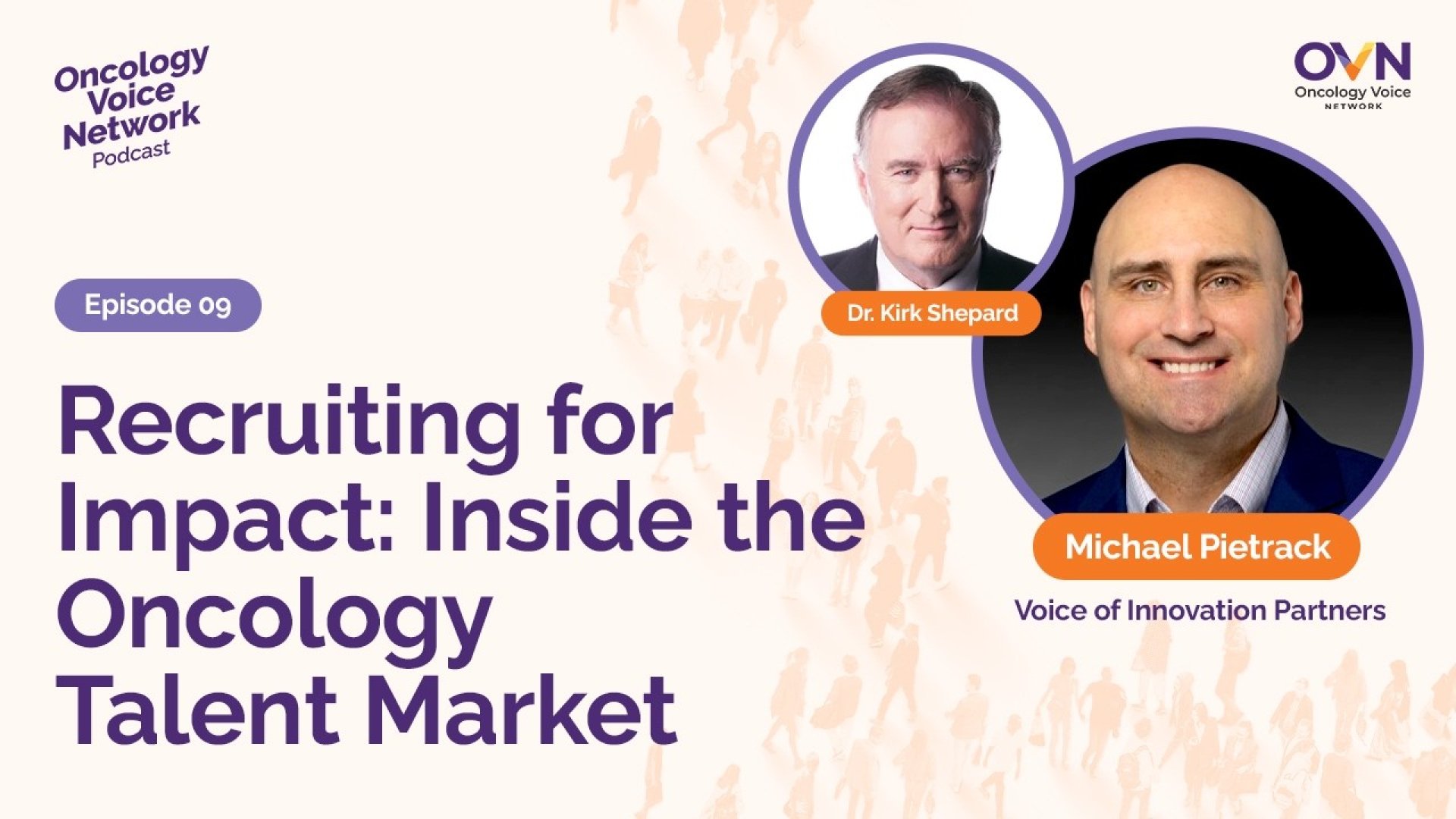
Recruiting for Impact: Inside the Oncology Talent Market
OVN Avatar Kirk Shepard

Recruiting for Impact: Inside the Oncology Talent Market

Podcast
More Moments, More Memories: A Family’s Legacy in Oncology
OVN Avatar Kirk Shepard

More Moments, More Memories: A Family’s Legacy in Oncology

Podcast
What it Takes to Close the Gap in Pediatric Cancer Care with Leo Wang, M.D., Ph.D.
Partner Avatar Monty Pal

What it Takes to Close the Gap in Pediatric Cancer Care with Leo Wang, M.D., Ph.D.

Podcast
Reengineering CAR T for Solid Tumors: What Glioblastoma Has Taught Us with Christine Brown, Ph.D.
Partner Avatar Monty Pal

Reengineering CAR T for Solid Tumors: What Glioblastoma Has Taught Us with Christine Brown, Ph.D.

Podcast
The Long Game of Cancer Genomics: John Carpten, Ph.D., on Building Precision Oncology that Reaches Patients
Partner Avatar Monty Pal

The Long Game of Cancer Genomics: John Carpten, Ph.D., on Building Precision Oncology that Reaches Patients

Podcast
How Engineered Antibodies and Next Generation Imaging Tools are Reshaping Cancer Care with Anna Wu, Ph.D.
Partner Avatar Monty Pal

How Engineered Antibodies and Next Generation Imaging Tools are Reshaping Cancer Care with Anna Wu, Ph.D.

Explore OVN