Podcast
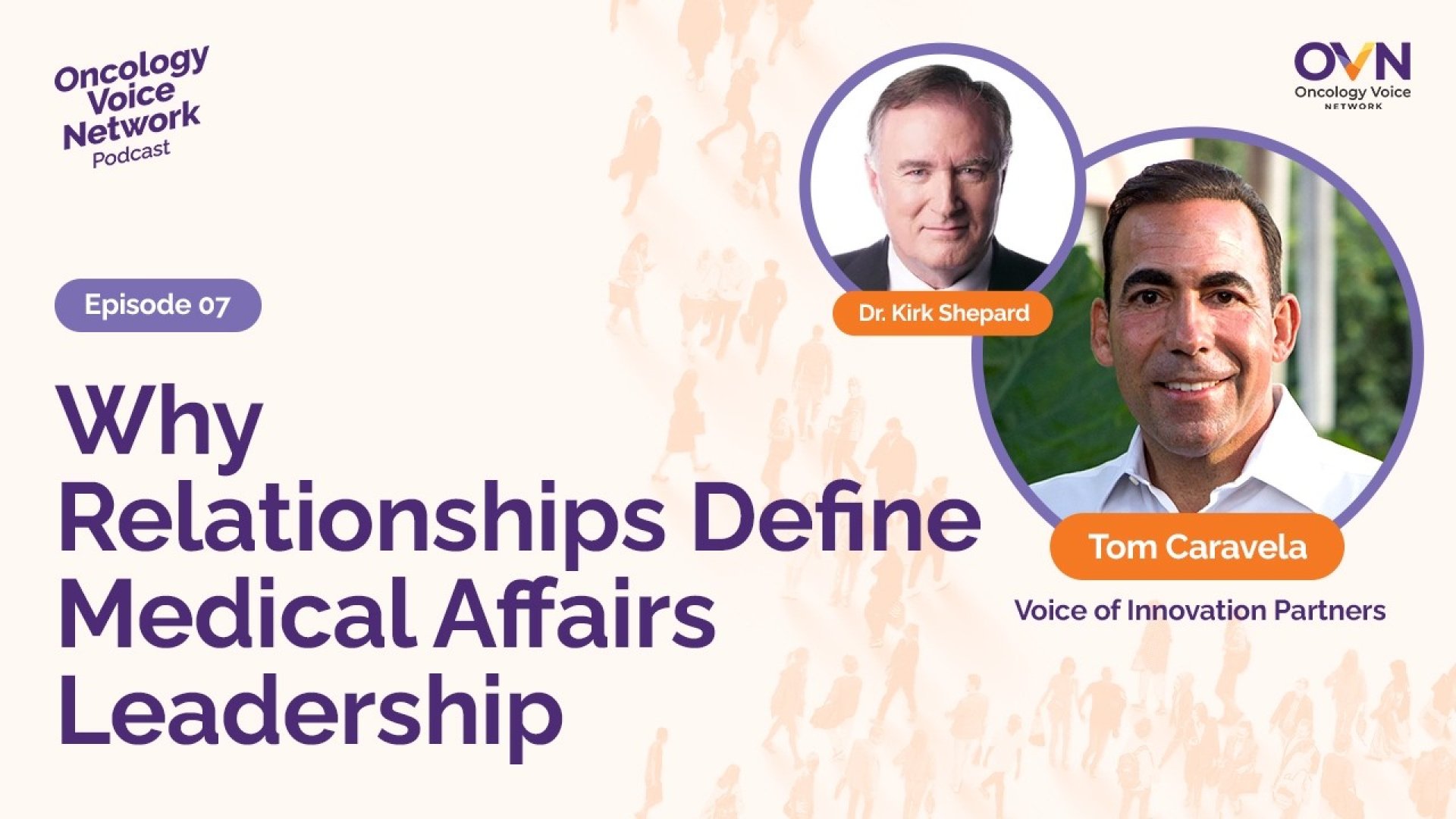
 Kirk Shepard


Medical Affairs functions have spent years building the case for their value. Frameworks, metrics, dashboards, impact stories, insight delivery. The work is real, the effort is genuine, and most of it misses the point entirely.
Medical Affairs functions have spent years building the case for their value. Frameworks, metrics, dashboards, impact stories, insight delivery. The work is real, the effort is genuine, and most of it misses the point entirely.
Here is the problem. Value in a senior organisational setting is not what you deliver operationally. It is what decision-makers conclude about you. Those are not the same thing, and confusing them is costly.
This is not a Medical Affairs problem specifically. It applies to any function whose work is upstream, advisory, or preventative — where the contribution shapes decisions rather than executes them. But Medical Affairs sits at a particular extreme. The work is scientifically complex, the outcomes are long-horizon, and the value is frequently defined by risks avoided rather than results achieved. Which means the work is almost perfectly designed to be underweighted by the people who matter most.
Commercial, finance and operations leaders walk into a room. This is not the start of a joke but a room where a launch sequencing decision is on the table. The stakes are real, the timeline is compressed, and the decision will commit significant resource in one direction. Nobody is reading the medical plan. Nobody is reviewing the KPI dashboard. What is happening instead is a rapid, mostly implicit judgment about whose input can be relied upon when the answer isn't obvious and the pressure is high. That initial, mostly subconscious, judgment forms fast. Before the content is fully analysed, and it is based on inference — not evidence.
What they are inferring is this: how reliable is this person's reasoning likely to be when conditions shift? Is this someone whose judgment I would trust when I cannot verify the details myself?
That inference is what determines decision weight. And decision weight — the degree to which your contribution actually shapes direction — is what value looks like from the other side of the table.
Here is what this means in practice. Two Medical Affairs leaders can walk into that room with the same data, the same analysis, the same recommendations. One of them shapes the decision. The other is thanked and noted. The difference is rarely the content. It is the frame through which their contribution is received — and whether the decision architecture around them processes their input as a reliable part of the conversation, or as something that still needs to establish its place in it.
Activity measures what you do. Value is what they decide you're worth. Medical Affairs has been measuring the former and assuming it produces the latter. It doesn't. Not automatically. Not structurally. And not without understanding the gap between them.
The more important question — one most Medical Affairs leaders have never been given a framework to answer — is this: in the rooms where direction actually gets set, does your judgment land as a reliable input, or do you find yourself re-establishing your place every time the audience changes?
That question is worth sitting with.
Kirk Shepard

 MSL Talk: Tom Caravela, Carsten Schnatwinkel, Jeanna Cooper
 MSL Talk: Tom Caravela, Daniel Snyder
 MLS Talk: Tom Caravela, Lusine Kodagolian
 MSL Talk: Tom Caravela, Conor McGladrigan, Kevin Peterson
 MSL Talk: Tom Caravela, Paul Ward