
Join to access to all OVN content. Join for Free
Application of Value Framework to Phase III Trials of Immune Checkpoint Inhibitors in Esophageal and Gastric Cancer
esophageal cancer gastric cancer comparative effectiveness research outcome assessment antineoplastic agents immunotherapy

Application of Value Framework to Phase III Trials of Immune Checkpoint Inhibitors in Esophageal and Gastric Cancer


Share This Article


Summary

  • Immunotherapy checkpoint inhibitors are FDA-approved for first-line metastatic esophageal and gastric cancer, but not all scenarios benefit from non-selective chemo-immunotherapy application.
  • ASCO Net Health scores were consistently higher in esophageal cancer trials compared to gastric cancer trials, with differences noted in high vs. low PD-L1 expression and squamous vs. adenocarcinoma histology.
  • KEYNOTE 181 trial showed marginal net health scores for adenocarcinoma and CPS<10.
  • KEYNOTE-059 trial initially showed promise but subsequent trials failed, leading to withdrawal of single-agent pembrolizumab approval in 2021.
  • Avelumab and nivolumab had mixed results; biomarkers like PD-L1 and tumor mutation burden should be used in trials to exclude unresponsive patients.
  • There is a concern that more people are eligible for immunotherapy than those who actually benefit, leading to increased costs without proportional benefits.
  • Pembrolizumab is FDA-approved for HER2+ esophageal and gastric adenocarcinoma based on KEYNOTE 811 trial results.
  • CHECKMATE 648 showed promising overall survival benefits for nivolumab and ipilimumab in squamous esophageal cancer.
  • Triplet cytotoxic chemotherapy (DOF, FLOT, FOLFIRINOX) may be helpful for patients with low PD-L1 unlikely to respond to immunotherapy.
  • Study limitations include difficulty in separating GE junction cancers, endpoint representation issues, score variability, and heterogenous populations.
  • This is the first study using ASCO and ESMO value assessments across immunotherapy trials for esophageal and gastric cancer, highlighting differences and informing clinical guidelines.


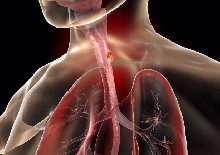
Advanced and metastatic esophageal and gastric cancer portends poor prognosis with limited durable treatment options. In 2020, GLOBOCAN estimated approximately 544 076 deaths globally from esophageal cancer, which is one of every 18 cancer-related deaths, and 768 793 deaths from stomach cancer, which is one of every 13 cancer-related deaths. Gastric cancer has the fourth highest number of cancer-related deaths after lung, colorectal, and liver cancers.

While survival has improved over the past several decades, esophageal and gastric cancers still have poor survival outcomes of less than 20% at 5 years...

Click for Source Download PDF version
esophageal cancer, gastric cancer, comparative effectiveness research, outcome assessment, antineoplastic agents, immunotherapy

Related Topics

Meet Our Innovation Partners

Loading partners...

You May Also Like

Podcast
Translating Discovery: Shaping Tomorrow’s Prostate Cancer Therapies
Partner Avatar Monty Pal

Translating Discovery: Shaping Tomorrow’s Prostate Cancer Therapies

Podcast
ctDNA Breakthroughs in Mesothelioma Care
Partner Avatar Rebecca Previs

ctDNA Breakthroughs in Mesothelioma Care

Podcast
Rewriting the Rules of Cellular Therapy
Partner Avatar Monty Pal

Rewriting the Rules of Cellular Therapy

Podcast
Tumor-Agnostic Therapies and the Future of HER2 in Oncology
Partner Avatar Rebecca Previs

Tumor-Agnostic Therapies and the Future of HER2 in Oncology

Article
AI-powered real-world evidence: Strategically enhancing value and access
Partner Avatar Envision Pharma Group

AI-powered real-world evidence: Strategically enhancing value and access

Article
Publicly accessible evidence of health-related quality of life benefits associated with cancer drugs approved by the European Medicines Agency between 2009 and 2015
OVN Avatar Nicole Grossmann, Martin Robausch, Eleen Rothschedl, Claudia Wild, Judit Simon

Publicly accessible evidence of health-related quality of life benefits associated with cancer drugs approved by the European Medicines Agency between 2009 and 2015

Explore OVN